
In the vibrant tapestry of modern relationships, bilingual couples are increasingly common. These partnerships, while rich with cultural exchange and unique perspectives, can also present distinctive challenges within the therapeutic setting. When one or both partners identify as Latino, the nuances of language intertwine with cultural values, family dynamics, and communication styles, creating a complex landscape that therapists must navigate with sensitivity and expertise.
Bilingual couples therapy, at its core, acknowledges and addresses the linguistic realities of the relationship. This can range from partners having different primary languages to varying degrees of fluency in a shared second language. The choice of language within therapy sessions, the potential for misunderstandings rooted in linguistic differences, and the emotional resonance of each language all become crucial elements to consider.
The Unique Influences of Latino Culture in Bilingual Therapy:
When one or both partners in a bilingual couple identify as Latino, several cultural influences can significantly shape their relationship dynamics and their experience in therapy:
- Familismo (Familism): Family often holds a central and highly valued place in Latino cultures. Decisions, including those within a romantic relationship, can be heavily influenced by family opinions and obligations. In therapy, it’s crucial to understand the role of extended family, the expectations around filial piety, and how these might impact the couple’s autonomy and individual needs.
- Machismo and Marianismo: While evolving, traditional gender roles associated with machismo (emphasizing male strength, responsibility, and sometimes dominance) and marianismo (emphasizing female nurturing, self-sacrifice, and purity) can still influence relationship dynamics. Therapists need to be aware of these potential power imbalances and communication patterns, addressing them with cultural sensitivity rather than imposing external judgments.
- Collectivism vs. Individualism: Latino cultures tend to be more collectivist than individualistic. This can manifest in a greater emphasis on the “we” over the “I,” prioritizing the needs of the family unit. In therapy, this might influence how partners express individual needs and desires, potentially leading to conflict if one partner leans more towards individualistic values.
- Communication Styles: Communication within Latino cultures can sometimes be more indirect or emotionally expressive. Therapists need to be attuned to non-verbal cues, understand the potential for “dichos” or proverbs that carry cultural weight, and be mindful of the potential for misunderstandings if partners have different communication styles across languages and cultures.
- Respecto (Respect): Showing respect, especially to elders and figures of authority, is highly valued. This can influence how partners communicate with each other and with the therapist. It’s important for therapists to build trust and rapport while acknowledging these cultural norms.
- Acculturation Stress: For couples where one or both partners have immigrated or are navigating different levels of acculturation, stress related to cultural adaptation can impact the relationship. This can manifest in differing views on traditions, language use outside the home, and raising children. Therapy needs to provide a safe space to explore these challenges.
Navigating the Linguistic Landscape in Therapy:
- Language Choice: The decision of which language to use in therapy is paramount. It often depends on the partners’ comfort levels, fluency, and the language in which they can most authentically express their emotions. Sometimes, switching between languages might be necessary or helpful.
- Potential for Misunderstandings: Therapists must be vigilant for misunderstandings that might arise due to language barriers. What might seem like a direct statement in one language could carry a different connotation in another. Clarification and checking for understanding are crucial.
- Emotional Resonance: Language carries deep emotional weight. Partners might feel more connected to certain memories or emotions when expressed in their native tongue. Allowing space for this can be vital for emotional processing.
- Code-Switching: Bilingual individuals often code-switch naturally. Therapists should be open to this and understand that it can be a way for partners to express themselves most accurately or to navigate cultural nuances.
- Translation Challenges: If the therapist is not fluent in both languages, the use of interpreters requires careful consideration to maintain confidentiality, accuracy, and the therapeutic alliance.
Promoting “Claudia Acevedo Psicología” in Armenia, Colombia:
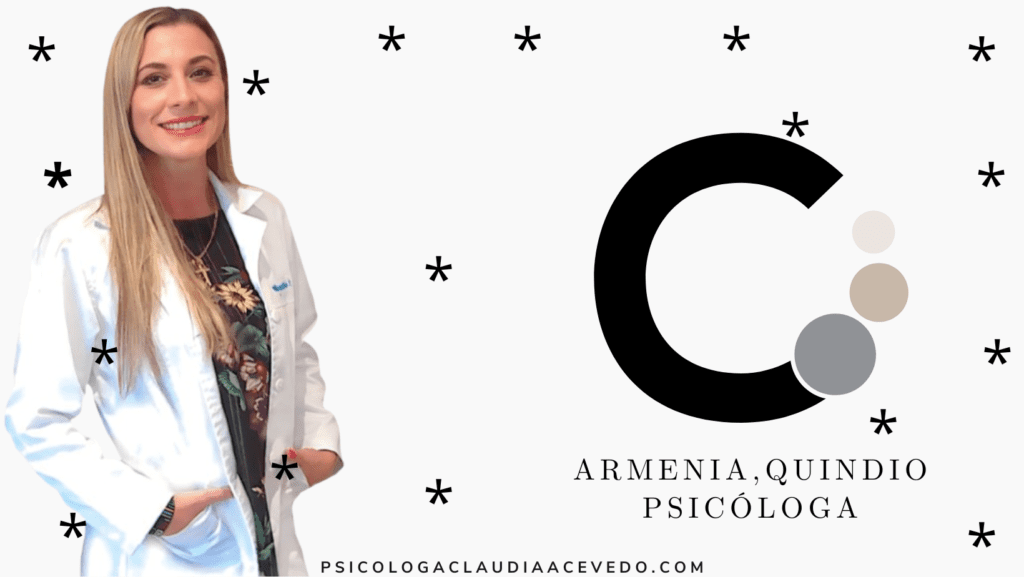
In the heart of the Colombian coffee region, in the welcoming city of Armenia, Quindío, lies a dedicated space for fostering emotional well-being: Claudia Acevedo Psicología. Led by the experienced and compassionate psychologist Claudia Acevedo, this practice offers a range of therapeutic services designed to support individuals and couples in navigating life’s complexities and strengthening their relationships.
Recognizing the growing diversity of partnerships in Colombia and the unique needs of bilingual couples, Claudia Acevedo Psicología is committed to providing culturally sensitive and effective therapy. While specific language fluency should be confirmed directly with the practice, the understanding of Colombian culture, family dynamics, and communication styles inherent in a local practice like Claudia Acevedo Psicología offers a significant advantage for Latino individuals and bilingual couples with Latino heritage.
Claudia Acevedo Psicología provides a safe and confidential environment where couples can explore their challenges, improve communication, and build stronger foundations. Whether you are a bilingual couple navigating linguistic differences or a Latino couple seeking support within a culturally informed framework, Claudia Acevedo Psicología in Armenia offers a valuable resource.
Connect with Claudia Acevedo Psicología:
For more information about the services offered at Claudia Acevedo Psicología in Armenia, Colombia, and to inquire about support for bilingual couples, please consider reaching out through the following (if available – you would need to provide actual contact details):
Taking the step to seek couples therapy is an act of strength and commitment. For bilingual couples with Latino partners, finding a therapist who understands the intricate interplay of language and culture is essential. Claudia Acevedo Psicología in Armenia, Colombia, offers a local and culturally aware option for those seeking to build stronger, more understanding relationships.
Leave a Reply